
Trauma Reconstruction Surgery in India
Restore Function After Injury with Dr Meghana
Traumatic injuries can change life suddenly and dramatically. Road accidents, industrial injuries, falls, and sharp wounds can damage tendons, nerves, and blood vessels, affecting movement, sensation, and circulation. Without timely and specialised care, these injuries can lead to permanent disability.
Trauma reconstruction surgery India focuses on repairing damaged structures and restoring function after serious injuries. The goal is not just wound closure, but meaningful recovery of movement, sensation, and limb survival wherever possible.
This form of surgery requires advanced planning, precision, and experience in complex reconstruction.
What Is Trauma Reconstruction Surgery?
Trauma reconstruction surgery is a specialised branch of plastic and reconstructive surgery that treats injuries involving soft tissues, tendons, nerves, and blood vessels. These injuries often occur together and require coordinated repair.
Unlike routine wound treatment, reconstructive trauma surgery India aims to restore anatomy and function as close to normal as possible. This may involve multiple procedures performed in stages depending on injury severity.
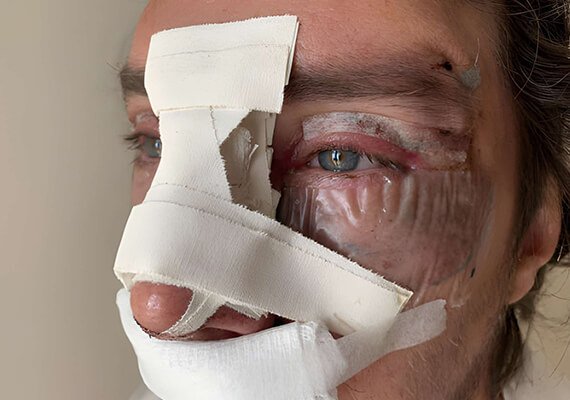
Common Causes of Traumatic Injuries
Traumatic injuries requiring reconstruction often result from:
- Road traffic accidents
- Industrial or machinery injuries
- Sharp cuts or crush injuries
- Sports-related trauma
- Falls or workplace accidents
Patients searching trauma reconstruction after accident India often require urgent evaluation to prevent long-term complications.
Tendon Injuries and Tendon Repair Surgery
Tendons connect muscles to bones and allow movement of joints. When tendons are cut or torn, movement becomes weak or impossible. Early repair is critical to restore function.
Tendon repair Pondicherry involves rejoining torn tendon ends using precise surgical techniques. Delay in repair can lead to scarring, stiffness, and loss of movement.
Recovery after tendon repair India includes immobilisation followed by structured physiotherapy to regain strength and flexibility.
Nerve Injuries and Nerve Repair Surgery
Nerves control sensation and muscle movement. Trauma can stretch, compress, or sever nerves, leading to numbness, weakness, or paralysis.
Nerve repair surgery India focuses on reconnecting damaged nerves or using nerve graft surgery when direct repair is not possible. Nerve healing is slow and requires patience, as regeneration happens gradually over months.
Choosing an experienced nerve repair specialist Tamil Nadu improves the chances of functional recovery.
Vascular Injuries and Blood Vessel Repair
Blood vessel injuries are medical emergencies. Damage to arteries or veins can compromise blood flow and threaten limb survival.
Vascular injury repair Tamil Nadu involves restoring circulation using fine sutures or grafts under magnification. Prompt vascular reconstruction India prevents tissue death and reduces the risk of amputation.
This type of surgery requires advanced skills in vascular reconstruction surgery and close post-operative monitoring.
Role of Microsurgery in Trauma Reconstruction
Many trauma repairs require working on structures only a few millimetres in size. Microsurgery trauma repair uses operating microscopes and specialised instruments to repair nerves and vessels accurately.
Trauma microsurgery India has significantly improved outcomes in limb salvage and functional restoration after severe injuries.
How Trauma Reconstruction Surgery Is Performed
Trauma reconstruction surgery is often performed under general anesthesia. The surgical plan depends on:
- Type and extent of injury
- Structures involved
- Time since injury
- Overall patient health
Repair may involve tendon suturing, nerve repair or grafting, and vascular reconstruction, sometimes in a single surgery and sometimes in stages.
Is Trauma Reconstruction Surgery Safe in India?
Yes. Trauma reconstruction surgery is safe when performed by experienced reconstructive surgeons in well-equipped hospitals. Safety depends on early intervention, precise technique, sterile conditions, and coordinated rehabilitation.
Patients asking is vascular reconstruction safe should know that timely surgery significantly improves outcomes.
Recovery and Rehabilitation After Trauma Reconstruction
Recovery after trauma reconstruction is gradual and structured. Surgery is only the first step. Rehabilitation is equally important.
Patients may require:
- Immobilisation initially
- Gradual physiotherapy
- Sensory re-education for nerve injuries
- Long-term follow-up
Recovery timelines vary. Patients researching how long does tendon repair recovery take should understand that full functional recovery may take months.
Who Performs Trauma Reconstruction Surgeries?
Trauma reconstruction surgeries are performed by plastic and reconstructive surgeons trained in tendon repair, nerve surgery, vascular repair, and microsurgery. These surgeons work closely with orthopaedic, vascular, and critical care teams.
Choosing the best reconstructive surgeon Pondicherry ensures comprehensive and ethical care.
Don’t take biggest decision of life
Without getting complete information!
Estimated Cost Range in India for Trauma Reconstruction Surgery
When patients or families search trauma reconstruction surgery India, the most urgent concern is often cost alongside treatment decisions. Unlike elective procedures, trauma surgery is usually unplanned and depends heavily on injury severity.
As a general reference:
INR 80,000 to INR 2,50,000
For relatively straightforward procedures such as isolated tendon repair Pondicherry or minor soft tissue reconstruction
INR 2,50,000 to INR 6,00,000 or more
For complex injuries involving nerve repair surgery India, vascular injury repair Tamil Nadu, or combined tendon, nerve, and vessel reconstruction using microsurgery
These ranges are indicative and meant to help during early research. The final cost can only be determined after clinical evaluation and emergency assessment.
Factors That Influence the Cost of Trauma Reconstruction
The cost of reconstructive trauma surgery India varies because no two injuries are the same.
Key factors include:
Type and severity of injury
Simple cuts differ significantly from crush injuries or multi-structure trauma involving nerves, tendons, and blood vessels
Structures involved in repair
Combined procedures, such as tendon repair in India, nerve grafting, and vascular reconstruction, increase surgical complexity.
Timing of surgery (emergency vs delayed)
Emergency surgeries often require immediate resources, ICU support, and extended monitoring.
Use of microsurgery techniques
Advanced microsurgery trauma repair requires specialised equipment and expertise, impacting cost.
Hospital stay and post-operative care
Longer recovery, monitoring of circulation, and rehabilitation needs contribute to overall pricing.
Rehabilitation and follow-up treatment
Physiotherapy, nerve recovery programs, and long-term care are essential parts of treatment.
Why Trauma Surgery Costs Cannot Be Fixed in Advance?
Unlike planned procedures, trauma reconstruction cannot be standardised into fixed packages.
Each case depends on:
- Extent of tissue damage
- Urgency of intervention
- Risk to limb function or survival
- Need for staged surgeries
This personalised approach ensures:
- Timely life- and limb-saving decisions
- Functional recovery over cosmetic outcomes
- Reduced risk of long-term disability
Focusing only on cost during trauma situations can delay critical care and affect outcomes.
Getting an Accurate Cost Estimate After Injury
Once the patient is stabilised, a detailed evaluation helps provide clarity on cost.
This includes:
- Clinical assessment of tendon, nerve, and vascular damage
- Imaging and diagnostic findings
- Surgical plan (single vs multi-stage)
- Expected recovery and rehabilitation timeline
A transparent cost estimate is then shared based on actual medical needs, not assumptions.
Emergency vs Planned Trauma Reconstruction Costs
Patients often ask why costs vary so much.
- Emergency trauma surgery may involve a higher initial cost due to urgent intervention and critical care
- Planned or delayed reconstruction may allow staged treatment and cost distribution over time
Both approaches are chosen based on medical necessity, not cost preference.
Making Safe and Informed Decisions
When dealing with trauma, the priority should always be:
- Early surgical intervention
- Preservation of function and circulation
- Choosing an experienced reconstructive surgeon
Cost is important, but outcome is critical.
Why Choose Dr Meghana for Trauma Reconstruction Surgery?
Dr Meghana approaches trauma reconstruction with a strong focus on functional recovery, tissue preservation, and long-term outcomes. Her experience in complex reconstructive procedures allows careful planning and execution even in challenging injuries.
She believes trauma care does not end in the operating room but continues through rehabilitation and follow-up.
Book a Trauma Reconstruction Consultation
If you or a loved one has suffered a serious injury involving tendons, nerves, or blood vessels, early reconstruction can make a critical difference. A consultation with Dr Meghana allows detailed evaluation, treatment planning, and timely intervention.
Prompt care improves recovery potential and reduces long-term disability.
FAQs About Trauma Reconstruction Surgery
Trauma reconstruction surgery is a specialised surgical approach used to repair damage to tendons, nerves, blood vessels, and soft tissues after serious injuries. The goal is to restore movement, sensation, circulation, and function rather than just closing wounds.
Nerves are repaired by carefully reconnecting the damaged ends using fine sutures under magnification. When direct repair is not possible, nerve grafts may be used to bridge gaps and support regeneration over time.
Initial healing takes several weeks, but full recovery can take several months. Physiotherapy plays a major role in regaining strength and movement after tendon repair surgery.
Yes. Vascular reconstruction is safe when performed promptly by experienced surgeons. Early restoration of blood flow reduces the risk of tissue damage and limb loss.
Trauma reconstruction surgeries are performed by plastic and reconstructive surgeons trained in microsurgery, tendon repair, nerve repair, and vascular reconstruction, often as part of a multidisciplinary team.
Recovery depends on injury severity and timing of treatment. While full function may not always be possible, early and well-planned reconstruction significantly improves outcomes and quality of life.