
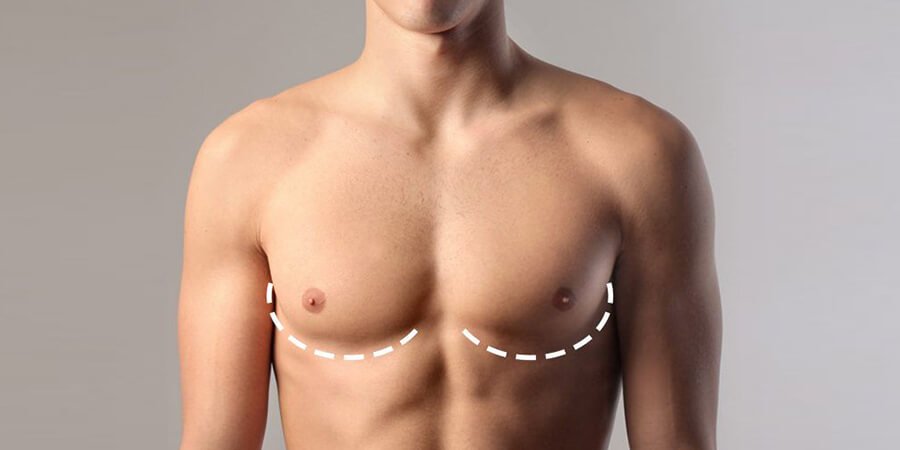
Gynecomastia surgery is a structured procedure designed to reduce excess breast tissue and restore a flatter, masculine chest shape. Men exploring gynecomastia surgery in India often want to understand how the surgery is done before proceeding. At our centre in Pondicherry, the procedure is planned carefully to ensure safety, symmetry and natural looking results.
Each surgery is customised based on the amount of fat, gland tissue and skin laxity present.
Step 1. Pre Operative Assessment and Planning
The process begins with a detailed consultation. The surgeon examines the chest to determine whether the enlargement is due to fat, gland tissue, or a combination of both. Medical history, medications and lifestyle factors are reviewed to ensure fitness for surgery.
This evaluation helps plan the correct approach for male breast surgery India and decide whether liposuction alone or combined gland removal is needed.
Step 2. Anaesthesia for Gynecomastia Surgery
To answer the common question how is gynecomastia surgery done, it is important to understand anaesthesia. Gynecomastia surgery is usually performed under general anaesthesia, so the patient remains completely comfortable. In selected cases, local anaesthesia with sedation may be used.
Vital signs are continuously monitored for safety.
Have questions or want to get started? We are ready to help you with a smile!
Step 3. Liposuction for Chest Fat Removal
When excess fat contributes to chest fullness, liposuction for gynecomastia is performed. Small incisions are made in discreet areas, and excess fat is gently removed to contour the chest.
This step improves chest definition and addresses chest fat removal Tamil Nadu effectively.
Step 4. Gland Removal Technique
In true gynecomastia, firm gland tissue is present beneath the nipple and cannot be treated by liposuction alone. Using a precise gland removal technique, the surgeon removes this tissue through a small incision along the edge of the areola.
Removing the gland corrects puffy nipples and prevents recurrence of breast enlargement.
Step 5. Incision Placement and Closure
Careful incision placement ensures scars remain minimal and well hidden. Once fat and gland tissue are removed, the chest is reshaped and the incisions are closed with fine sutures. Sterile dressings are applied to support healing.
This step completes the surgical correction safely.
What Happens During Gynecomastia Surgery
Patients often ask what happens during gynecomastia surgery. In simple terms, the surgeon removes excess fat, excises gland tissue if needed, and reshapes the chest to create a flatter and more masculine appearance. The surgery typically takes one to two hours depending on complexity.
Precision at each step ensures balanced results.
Post Operative Compression and Care
After surgery, a post op compression vest is placed around the chest. This garment reduces swelling, supports healing and helps the skin adapt to the new contour. Patients receive detailed instructions for wound care, activity restrictions and follow up visits.
Proper aftercare is essential for optimal results.
Gynecomastia Recovery Timeline
Understanding the gynecomastia recovery timeline helps patients prepare for recovery.
Typical recovery includes
- mild swelling and soreness for a few days
- return to desk work within 4 to 6 days
- wearing a compression vest for 4 to 6 weeks
- avoiding chest workouts for several weeks
- gradual improvement over 6 to 8 weeks
Patients commonly ask what is recovery like after gynecomastia surgery. Recovery is usually smooth when instructions are followed.
Safe and Structured Male Chest Reduction
Gynecomastia surgery provides a permanent solution for male chest enlargement when performed correctly. If you are considering gynecomastia Pondicherry or male chest reduction India, a personalised consultation ensures the safest and most effective approach.
FAQs About Gynecomastia Surgery Procedure
Gynecomastia surgery removes the excess tissue that causes a swollen or feminine-looking chest. Fat is removed using liposuction, and firm gland tissue is surgically excised when present. The chest is then reshaped to look flatter, firmer, and more masculine, with careful attention to symmetry.
This depends on the type of gynecomastia. Many patients have both fat and gland tissue. Liposuction removes fat, but firm gland tissue does not respond to liposuction alone and must be surgically removed. During consultation, the surgeon determines the exact tissue composition and plans the procedure accordingly.
Gynecomastia surgery is performed under anaesthesia, so there is no pain during the procedure. After surgery, most patients experience soreness, tightness, and mild discomfort rather than severe pain. These symptoms are temporary and usually well-controlled with prescribed medication.
Most patients return to desk work or light daily activities within 5 to 7 days. Exercise and gym workouts are usually resumed after 3 to 4 weeks, once swelling has reduced and healing is stable. Wearing the compression vest as advised is important for smooth recovery.
Incisions used in gynecomastia surgery are small and strategically placed, often around the areola or in natural chest creases. In most cases, scars heal well and become barely noticeable over time, especially when proper scar care instructions are followed.
Initial improvement is visible immediately after surgery, but swelling can mask final results. The chest continues to settle over several weeks. Most patients see their final chest shape within 2 to 3 months as swelling fully subsides and tissues adapt.
In most cases, results are permanent because the gland tissue is removed. However, significant weight gain, hormonal imbalance, or use of certain medications or supplements can affect chest appearance. Maintaining a healthy lifestyle helps preserve long-term results.
Even mild gynecomastia can cause significant self-consciousness and discomfort. For patients who do not respond to exercise or diet, surgery offers a reliable and long-lasting solution that improves chest contour, clothing fit, and confidence.
You may be a good candidate if you have persistent chest enlargement despite weight control, stable health, and realistic expectations. A consultation helps confirm whether surgery is appropriate and what technique will give the best outcome.