
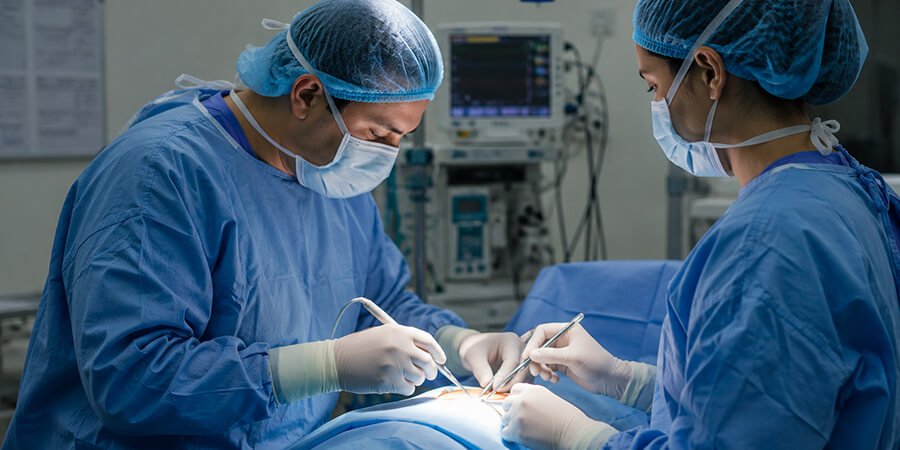
Gender confirmation surgery, also known as sex reassignment surgery or SRS, is a structured medical process that helps align a person’s physical anatomy with their gender identity. People researching gender confirmation surgery India often want clear, respectful, and factual information about what actually happens during surgery and recovery.
This procedure is not cosmetic. It is a medically recognised, life-affirming surgery that focuses on anatomy, function, sensation, and long-term wellbeing.
Pre-Surgical Evaluation and Preparation
Before surgery, a detailed evaluation is done. This includes medical fitness, hormonal history, psychological readiness, and a discussion about expectations. For transgender surgery steps India, preparation is as important as the surgery itself.
Patients are counselled about outcomes, recovery responsibilities, and long-term care requirements.
Have questions or want to get started? We are ready to help you with a smile!
Anaesthesia and Surgical Planning
Gender confirmation surgery is performed under general anaesthesia. Due to the complexity of genital reconstruction India, continuous monitoring and a skilled surgical team are essential throughout the procedure.
Surgical planning is individualised based on whether the patient is undergoing MTF surgery India or FTM surgery India.
MTF Surgery: Vaginoplasty Technique
In male-to-female surgery, the vaginoplasty technique is used to create female genital anatomy. Penile and scrotal tissue are carefully reshaped to form a vaginal canal, labia, and clitoris.
Special attention is given to nerve hookup to preserve sensitivity and sexual function.
FTM Surgery: Phalloplasty Stages
In female-to-male surgery, genital reconstruction involves multiple phalloplasty stages. Tissue flaps from other body areas may be used to construct a phallus.
The flap technique allows for urination while standing and, in some cases, future prosthetic placement.
Nerve Connection and Sensation Preservation
One of the most important parts of SRS is the nerve connection. Surgeons work carefully to connect sensory nerves to help preserve erotic and tactile sensation.
This step plays a major role in long-term satisfaction and quality of life.
Closure, Drains, and Immediate Care
After reconstruction, incisions are closed in layers. Surgical drains may be placed temporarily to reduce fluid accumulation.
Patients are monitored closely in the immediate post-operative period.
SRS Recovery Timeline
Understanding the SRS recovery timeline helps patients plan time off work and daily activities.
Typical recovery includes:
- Hospital stay for monitoring
- Initial swelling and discomfort for several weeks
- Gradual return to daily activities
- Strict adherence to post-operative care instructions
Recovery varies based on procedure type and individual healing.
Dilation Protocol and Long-Term Care
For vaginoplasty patients, a dilation protocol is essential to maintain vaginal depth and width. Regular dilation is required in the early months and gradually reduced over time.
Long-term follow-up ensures functional and aesthetic stability.
Consult Dr Meghna for Gender Confirmation Surgery
Gender confirmation surgery is a deeply personal decision. A consultation with Dr Meghna offers respectful guidance, detailed explanation of options, and personalised surgical planning in a safe and supportive environment.
Get on the gender transformation journey with expertise and compassion.
FAQs About Gender Confirmation Surgery Procedures
Gender confirmation surgery involves reshaping existing genital tissue to create anatomy aligned with gender identity. The exact steps depend on whether MTF or FTM surgery is performed, and may include tissue reconstruction, nerve connection, and functional restoration.
MTF surgery focuses on creating female genital anatomy through vaginoplasty, while FTM surgery involves constructing male genital anatomy using phalloplasty or metoidioplasty. Each follows different surgical principles and recovery paths.
Initial recovery takes several weeks, but full healing and adjustment can take months. Patients gradually resume normal activities while following strict care and follow-up protocols.
Yes, when performed by qualified surgeons in a properly equipped hospital. Safety depends on medical evaluation, surgical expertise, and adherence to post-operative care.
Preserving sensation is a key goal of modern SRS techniques. While sensation improves gradually over time, most patients regain meaningful sensitivity with proper nerve connection and healing.
Regular follow-up is important, especially in the first year. Long-term care may include hormonal management and periodic evaluations to maintain health and function.
If physical anatomy causes distress and does not align with gender identity, surgery may be an option. A consultation helps assess readiness, expectations, and the most suitable surgical path.