
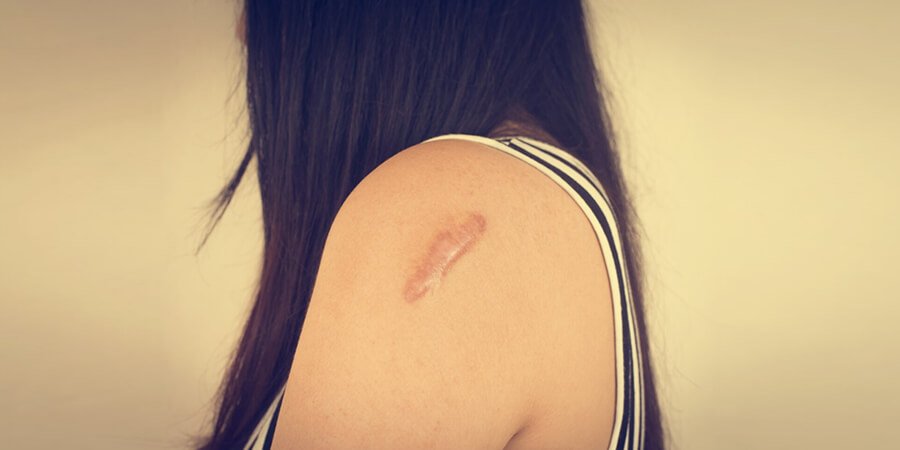
Scar therapy is a structured medical approach used to improve raised, thickened, painful, or disfiguring scars, such as keloids and hypertrophic scars. People searching for keloid treatment India often want clarity on why scars grow abnormally and how they can be corrected safely.
Not all scars behave the same way. Keloids grow beyond the original wound, while hypertrophic scars remain within the injury area but become thick and raised. Scar therapy focuses on controlling abnormal healing while improving appearance, comfort, and function.
Pre-Treatment Evaluation and Scar Assessment
Every scar therapy plan starts with a detailed evaluation. The surgeon assesses scar size, thickness, location, skin type, previous treatments, and recurrence risk.
This step is crucial in deciding whether scar revision Pondicherry, non-surgical methods, or a combination approach will give the best outcome.
Have questions or want to get started? We are ready to help you with a smile!
Anaesthesia for Scar Therapy Procedures
Depending on scar size and treatment type, scar therapy may be performed under local anaesthesia. This keeps the procedure comfortable while allowing precise correction.
For larger scars or surgical excision, additional anaesthesia support may be used.
Keloid Excision Technique
For large or resistant keloids, keloid excision Tamil Nadu may be recommended. Using a precise excision technique, the abnormal scar tissue is carefully removed.
Special care is taken to minimise tension on the wound, as excessive tension increases recurrence risk.
Hypertrophic Scar Revision Steps
In hypertrophic scar removal India, the goal is flattening and softening the scar. Surgical revision may involve reshaping the scar to allow better healing and less visibility.
The new wound is closed meticulously to guide healthier wound healing.
Laser Scar Correction
Laser scar correction India is used to reduce redness, thickness, and uneven texture. Laser resurfacing helps break down dense scar tissue and stimulates smoother skin regeneration.
Laser therapy is often combined with other treatments for optimal scar flattening.
Steroid Injection Therapy
Steroid injection therapy India involves intralesional injections directly into the scar. These injections reduce inflammation, slow collagen overproduction, and help flatten raised scars.
Multiple sessions may be required for stable results.
Silicone Therapy and Supportive Care
Silicone therapy using sheets or gels helps regulate moisture and pressure over healing scars. This method supports scar flattening and reduces itching and discomfort.
Silicone therapy is often continued for several months.
Post-Procedure Care and Healing
After scar therapy, patients receive clear aftercare instructions. This includes wound protection, activity guidance, and follow-up schedules.
Healing is gradual, and scars continue to improve over time with proper care.
Can Scars Come Back After Treatment
One of the main concerns with keloids is recurrence. Combining surgical and non-surgical treatments significantly reduces recurrence risk. However, careful monitoring is essential.
Long-term results depend on scar type, location, and individual healing response.
Consult Dr Meghna for Scar Therapy
If raised or uncomfortable scars affect your confidence or daily life, scar therapy may help. A consultation with Dr Meghna allows detailed scar assessment and a personalised treatment plan focused on safety and long-term improvement.
Every scar deserves expert care.
FAQs About Scar Therapy Procedure
Some people produce excess collagen during wound healing, which causes scars to become thick, raised, or extend beyond the original injury. Genetics, skin tone, wound tension, infection, and scar location all influence whether a scar becomes a keloid or hypertrophic scar.
Keloids can be treated very effectively, but they do have a tendency to recur. Permanent control is best achieved using a combination approach, such as surgical removal followed by steroid injections, silicone therapy, or laser treatment, which significantly reduces the chances of regrowth.
Most scar therapy procedures cause minimal discomfort. Local anaesthesia is used for injections, laser treatments, or surgical revision. Patients may feel mild pressure or warmth, but pain is usually short-lived and easily manageable after the procedure.
Initial improvement is often seen within a few weeks, especially with reduced redness and thickness. However, scars continue to soften, flatten, and mature over several months. Final results depend on scar type, size, treatment method, and individual healing response.
Yes. When performed by an experienced surgeon using skin-appropriate laser settings, laser scar treatment is safe for darker skin tones. Proper technique reduces the risk of pigmentation changes while improving scar texture and appearance.
The number of sessions varies. Some scars improve significantly with a single treatment, while others require multiple sessions spaced over weeks or months. Treatment plans are personalised based on scar behaviour and response to therapy.
Early evaluation is ideal, especially if a scar shows signs of thickening, itching, pain, or rapid growth. Starting treatment at the right time helps control abnormal healing and prevents scars from becoming more severe or difficult to manage later.